Understanding Fibre
An evidence-based overview of dietary fibre, its different types and physiological effects, and why increasing fibre does not always relieve gastrointestinal symptoms.
In this guide
- Why we need fibre
- Fibre is not one thing
- Soluble fibre
- Insoluble fibre
- Fermentation & gas
- Fibre and FODMAPs
- Specific fibres
- When fibre feels worse
- Is fibre “irritating” the gut?
- A useful way to think
- Building variety
- If bloating is a problem

Dietary fibre is made up mainly of carbohydrate components of plant foods that are not digested and absorbed in the small intestine. Some types of fibre pass largely intact into the large intestine, while others are fermented by gut microorganisms.1,3
This is why “more fibre” is not always the whole answer.
Some fibres hold water and can soften stools. Some increase stool bulk. Some form gels. Some are readily fermented by gut bacteria, while others are relatively resistant to fermentation. These differences influence how fibre affects bowel function, the gut microbiome, blood glucose, cholesterol and gastrointestinal symptoms.1,3
Some types of fibre can help constipation or regulate loose stools, while others may increase bloating, abdominal discomfort or urgency in susceptible people. The amount, type, physical properties, source and individual tolerance of fibre all matter.
Why do we need fibre?
Fibre contributes to several aspects of health. Depending on its particular properties, it can:
- support regular bowel function
- influence stool consistency
- help prevent or manage constipation
- provide substrate for the gut microbiota
- contribute to the production of short-chain fatty acids (SCFAs)
- support colonic health
- influence post-meal blood glucose responses
- contribute to lowering LDL cholesterol
- influence satiety
- contribute to long-term cardiovascular and metabolic health
- form part of a dietary pattern associated with a lower risk of colorectal cancer.1,4,5
The UK recommendation
For adults, the UK recommendation is to aim for around 30 g of fibre per day.1
However, reaching 30 g does not necessarily mean eating as much high-fibre food as possible. In people with gastrointestinal symptoms, simply adding more fibre may sometimes make symptoms worse. The type and source of fibre, how quickly intake is changed, how it is distributed across the diet and how the individual gut responds are also important.2,3
Fibre is not one single thing
Fibre is often described as soluble or insoluble, but this is only one way of classifying it. Its physiological effects are also influenced by whether the fibre is:
Viscosity
Viscous or non-viscous
Viscous fibres thicken gut contents and can affect glucose and cholesterol absorption.
Gel formation
Gel-forming or non-gel-forming
Gel-forming fibres hold water within the gut and can help regulate stool consistency.
Fermentability
Readily or poorly fermentable
Readily fermented fibres feed gut bacteria but can produce more gas.
Water-holding
Able to hold water
Water-holding fibres can soften stools and influence consistency.
Stool bulk
Able to increase stool bulk
Bulking fibres increase faecal volume and stool output.
Prebiotic effect
Selectively used by microbes
Used by gut microorganisms in a way that confers a health benefit.
The last of these describes fibre that is selectively used by microorganisms in a way that confers a health benefit.3,6 These characteristics overlap. For example, one soluble fibre may be readily fermented, whereas another soluble fibre may form a viscous gel and be largely resistant to fermentation.
This helps explain why two foods containing a similar number of grams of fibre can have very different effects on the gastrointestinal tract.
Soluble fibre
Soluble fibres dissolve or disperse in water. Some form viscous gels, whereas others do not.3
Sources can include
Foods generally contain mixtures of different fibres rather than one single type.
What can soluble fibre do?
Depending on its physical properties, soluble fibre may:
- retain water
- influence stool consistency
- form a gel within the gastrointestinal tract
- provide substrate for gut microorganisms.3
Some viscous, gel-forming soluble fibres can also slow the digestion and absorption of nutrients, moderate post-meal glucose responses and contribute to lowering LDL cholesterol.3,4 Some soluble fibres can therefore be helpful in constipation and bowel regulation.
But soluble does not automatically mean gentle.
Some soluble fibres are readily fermented and can produce gas. Others, particularly psyllium, are largely resistant to fermentation and may therefore produce less fermentation-related gas.3,7
Insoluble fibre
Insoluble fibre does not dissolve in water and generally remains more structurally intact as it travels through the gastrointestinal tract.
Sources include

Soluble fibre sources
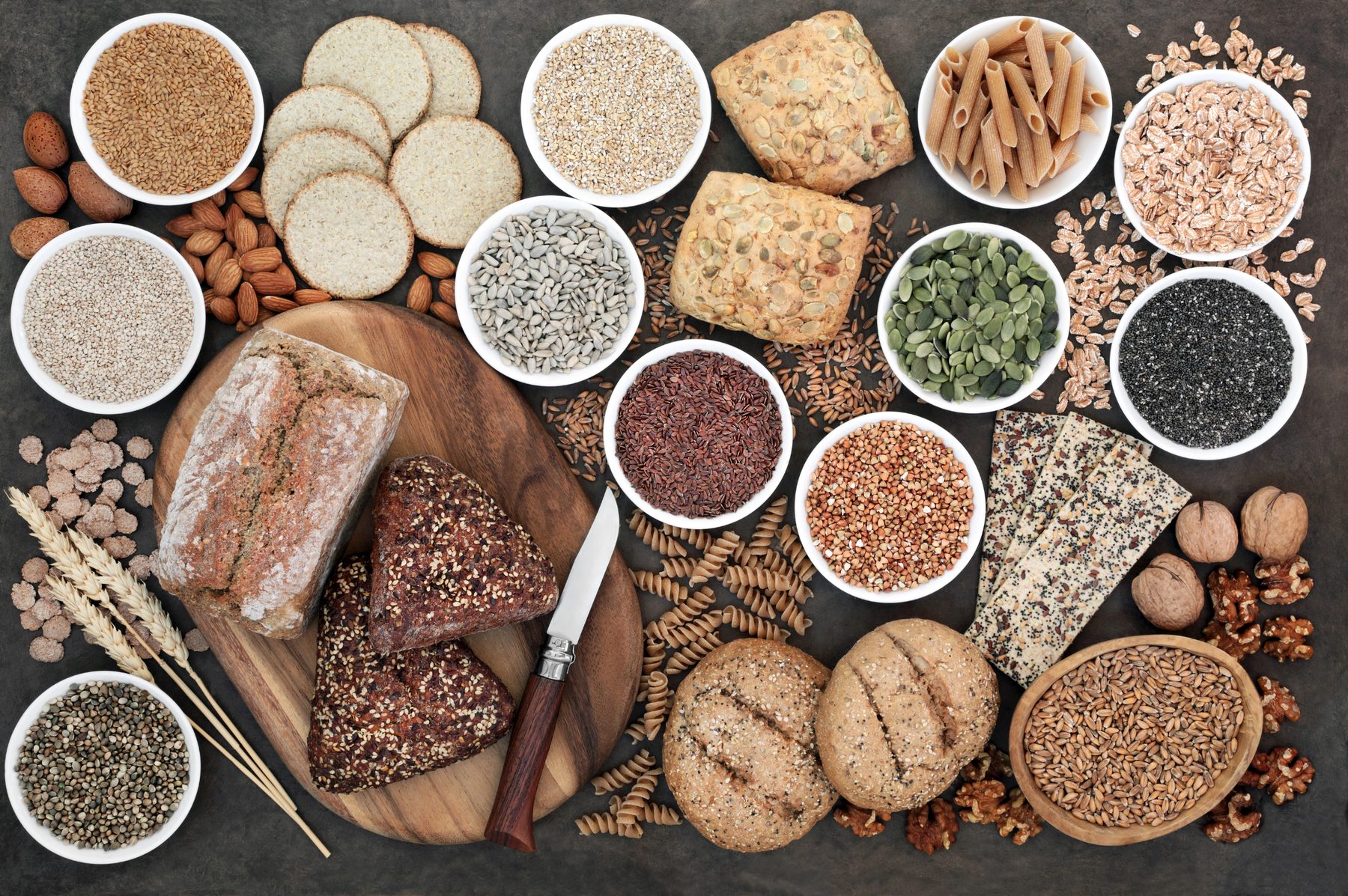
Insoluble fibre sources
Some poorly fermented insoluble fibres can increase faecal bulk and stool output. Their effects depend partly on their structure, particle size and water-holding properties.3
When can it be uncomfortable?
In some people with a sensitive gut, particularly those with IBS, large quantities of coarse insoluble fibre such as bran can aggravate symptoms.
NICE therefore recommends reviewing fibre intake in people with IBS and discourages insoluble fibre such as bran when it is contributing to symptoms. Where an increase in fibre is appropriate, soluble fibre such as ispaghula/psyllium or foods such as oats may be better tolerated.2
Symptoms following fibre do not necessarily mean that the bowel is being damaged or inflamed. Increased stool bulk, intestinal contents, fermentation and distension may simply produce more noticeable symptoms in a sensitive gastrointestinal tract.
Fermentable fibre: where gas comes into the picture
Some fibre and other non-digested carbohydrates reaching the large intestine can be fermented by the gut microbiota. Fermentation is a normal physiological process.
Gut microorganisms metabolise these substrates and can produce compounds including the short-chain fatty acids acetate, propionate and butyrate.6 SCFAs have a range of physiological functions within the colon and elsewhere in the body.6
Fermentation can also produce gases. The amount and rate of fermentation vary considerably between different carbohydrates and between individuals. This means that a nutritionally valuable food can still produce uncomfortable gastrointestinal symptoms in a susceptible person.
Highly fermentable carbohydrates may contribute to:
This does not necessarily mean that the food has “irritated” or damaged the bowel.
A simplified pathway
Reaches the colon
Non-digested carbohydrate passes through the small intestine
Fermentation
Gut microorganisms ferment some of it
Short-chain fatty acids
Acetate, propionate, butyrate
Physiological functions
Within the colon and elsewhere in the body
Gas & distension
Intestinal contents and/or distension may increase
In a susceptible person
Bloating, pressure or pain
Fermentation is a normal process. The same step can produce beneficial compounds and, in a sensitive gut, noticeable symptoms.
People with IBS may have altered gastrointestinal sensitivity and/or motility, meaning that intestinal distension can produce more noticeable symptoms.8
Fibre and FODMAPs are not the same thing
This distinction is important. Fibre and FODMAPs overlap, but they are not interchangeable terms.
What it stands for
FODMAP
Fermentable Oligosaccharides, Disaccharides, Monosaccharides And Polyols
FODMAPs are short-chain carbohydrates that are either not digested in the small intestine, such as fructans and galacto-oligosaccharides (GOS), or may be incompletely absorbed, such as lactose, excess fructose and polyols.8,9 They can influence the amount of water within the intestine and/or undergo fermentation in the colon, producing gas.
In susceptible people, particularly those with IBS, these changes can contribute to:
Sources: 8, 9
Fructans
Sources can include wheat- and rye-based foods, onion, garlic, some other grains and some vegetables.8,9 The FODMAP content of a food depends on the particular food, how it has been processed and the amount eaten.
Galacto-oligosaccharides (GOS)
Sources include beans, chickpeas, lentils and other pulses.8,9 These foods can be highly nutritious and provide fibre, protein, micronutrients and other plant compounds. However, larger quantities may cause symptoms in somebody who is sensitive to particular FODMAPs.
A reaction to a wheat-containing food is not automatically a reaction to gluten.
In people without coeliac disease or wheat allergy, fructans or other components of the food may sometimes be contributing to symptoms.8,9
Before removing gluten
Where coeliac disease is suspected, it is important that it is appropriately investigated before removing gluten from the diet, because reducing or excluding gluten beforehand can affect the accuracy of diagnostic testing.10
The answer is therefore not necessarily to remove fibre, wheat or whole food groups. It may be more appropriate to investigate the type, amount, portion size, frequency and distribution of the foods being eaten.
Specific fibres
Viscous and gel-forming fibre
Some soluble fibres become viscous or form gels when hydrated. Examples include beta-glucan in oats and barley, psyllium/ispaghula, and some naturally occurring fruit fibres.3 Viscosity can influence the interaction of nutrients with the gastrointestinal tract and affect glucose and cholesterol absorption.3
Beta-glucan
Oats and barley are particularly useful sources of beta-glucan. Adequate amounts of oat or barley beta-glucan can contribute to lowering LDL cholesterol, moderate post-meal glucose responses and contribute to total fibre intake.3,4 Beta-glucan can also undergo fermentation within the colon.
Oats can therefore be a useful way of diversifying cereal fibre intake. For people who are modifying FODMAP intake, however, individual grain choice, processing and portion size matter. Some barley- and rye-containing foods can provide significant amounts of fructans.8,9
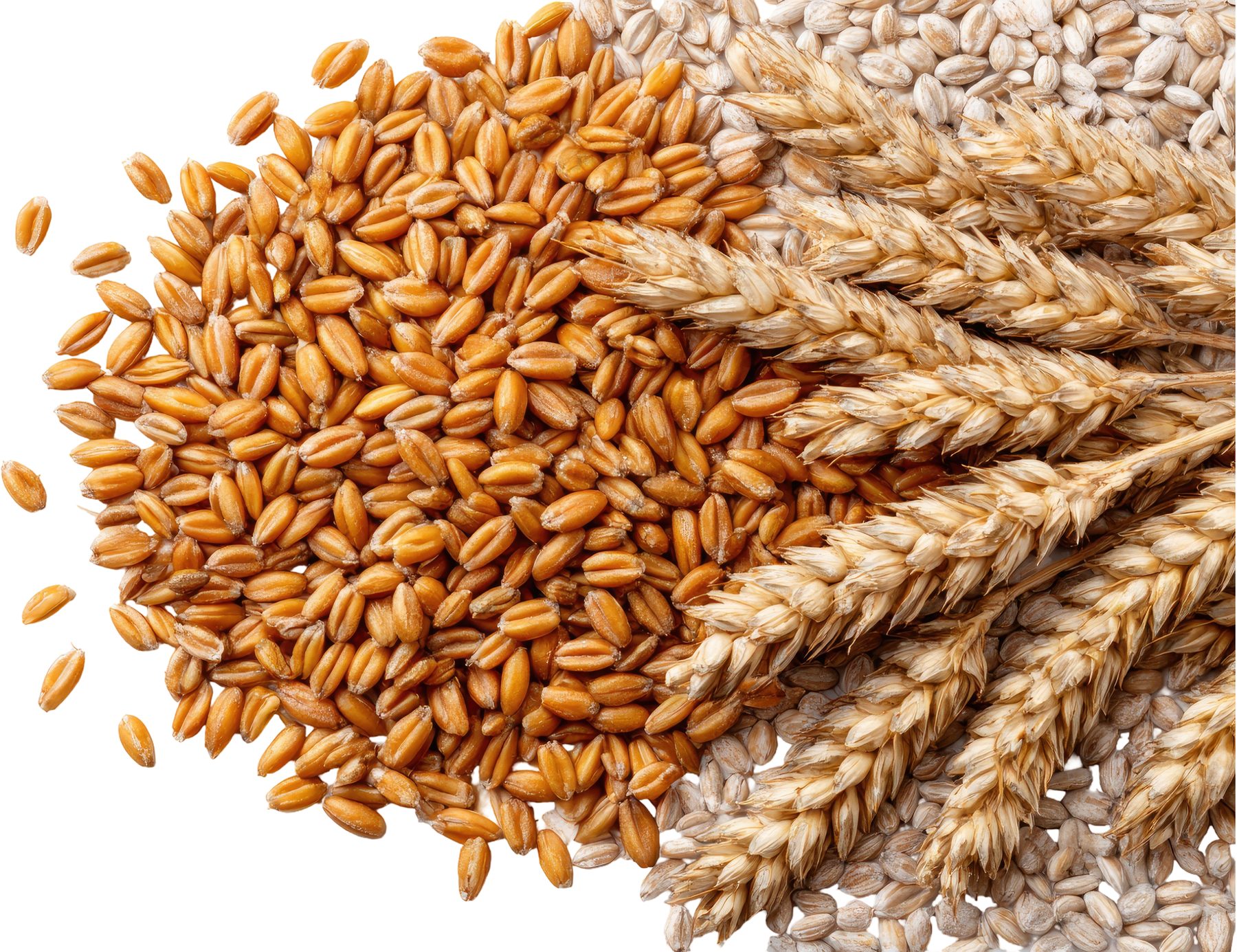
Oats & barley
Psyllium / ispaghula
Psyllium is a particularly useful fibre because it is predominantly soluble, viscous, gel-forming, highly water-holding and largely resistant to fermentation.3,7 Its gel-forming and water-holding properties help explain why it can regulate stool consistency.
Psyllium can be useful in constipation, improving stool form, some loose-stool presentations and bowel regulation in IBS.2,3 Because it is largely resistant to fermentation, it may produce less fermentation-related gas than rapidly fermented fibres. Adequate fluid intake is important when taking psyllium.
Linseeds / flaxseed
Linseeds contain a mixture of soluble and insoluble fibre as well as mucilage and the plant omega-3 fatty acid alpha-linolenic acid (ALA). When hydrated, their mucilage forms a gel. Ground linseeds can contribute to fibre intake and may help bowel regularity.
NICE advises that people with wind and bloating may find oats and linseeds helpful, with linseeds used at up to one tablespoon per day in its IBS guidance.2 As with other fibre sources, they are generally best introduced gradually alongside adequate fluid.
Resistant starch
Resistant starch is starch that escapes digestion in the small intestine and reaches the large intestine. Foods containing it can include beans and lentils, some whole grains, oats, slightly green bananas, and some cooked-and-cooled potatoes, rice and pasta.
Cooking and then cooling some starchy foods can increase their resistant starch content through a process known as retrogradation, although the amount produced varies according to the food and the way it is prepared. Resistant starch can be fermented by colonic microorganisms and contribute to SCFA production, including butyrate. It is fermentable, although fermentation may occur more slowly than with some rapidly fermentable carbohydrates such as inulin, FOS and GOS. Tolerance varies between individuals.9
NICE also advises people with IBS that reducing resistant starch may sometimes improve symptoms, particularly resistant starch found in processed or re-cooked foods.2 These points are not necessarily contradictory: a dietary component can have potentially beneficial physiological effects while still producing gastrointestinal symptoms in some individuals.
Prebiotics
A prebiotic is “a substrate that is selectively utilized by host microorganisms conferring a health benefit.”6 Well-established examples include certain fructans, inulin, fructo-oligosaccharides (FOS) and galacto-oligosaccharides (GOS).6
Prebiotics are selectively utilised by microorganisms and, by definition, there must be evidence that this interaction confers a health benefit.6 Simply changing the number or type of microorganisms in the gut does not, by itself, make something a prebiotic.
“Prebiotic” does not mean “symptom-free”.
Some prebiotics, including inulin, FOS and GOS, are readily fermented and can increase gas and gastrointestinal symptoms in susceptible individuals. Something can therefore have potentially beneficial effects on the gut microbiome while being poorly tolerated by a particular person or at a particular dose.
Why can increasing fibre make somebody feel worse?
There are several possible reasons.
1
Increased fermentation
More readily fermentable carbohydrate reaches the gut microbiota.
Possible result: increased gas production and intestinal distension.
2
Increased stool bulk
Some fibres increase the volume of intestinal contents and faecal material.
Possible result: increased fullness, pressure, stool volume or urgency.
3
Increased intestinal water
Some poorly absorbed short-chain carbohydrates, including particular FODMAPs, can increase luminal water.
Possible result: altered stool consistency and, in susceptible people, urgency or diarrhoea.8,9
4
Visceral hypersensitivity
Some people experience intestinal distension more intensely than others. A degree of distension that produces few symptoms in one person may produce considerable bloating or pain in somebody with IBS.8
5
Fibre has been increased too quickly
A sudden increase in fibre can produce bloating, wind and changes in bowel habit. Increasing fibre gradually can therefore be more comfortable.
6
A large amount comes from one source
Thirty grams of fibre from a varied diet may be experienced differently from a diet heavily dependent on one or two highly fermentable sources. The composition of the fibre intake matters as well as the total amount.
Is fibre actually “irritating” the gut?
Usually, “irritation” is not the most accurate description. In functional gastrointestinal disorders such as IBS, symptoms following fibre do not necessarily indicate tissue inflammation or damage. Symptoms may instead arise from a combination of:
Sources: 2, 8
Experiencing pain or bloating after eating a food does not automatically mean that the food is damaging the gastrointestinal tract. A food can be nutritionally valuable and physiologically safe while still producing uncomfortable symptoms in a particular person.
When to seek medical advice
Persistent, severe, new or unexplained gastrointestinal symptoms should be medically assessed rather than automatically attributed to fibre, IBS or food intolerance.
A useful way to think about fibre
Rather than asking only “Am I getting 30 g of fibre?” it can be more useful to consider:
Building a varied fibre intake

| Fibre source | Examples | Important characteristics |
|---|---|---|
| Oats | Porridge, oat-based cereals | Beta-glucan; soluble, viscous and fermentable fibre |
| Barley | Pearl barley, barley flakes | Beta-glucan and cereal fibre; some products may also contain significant fructans |
| Whole grains | Wholegrain breads and cereals, brown rice | Mixed fibres; composition varies considerably between grains and foods |
| Pulses | Lentils, chickpeas, beans | Fibre, resistant starch, protein and fermentable oligosaccharides including GOS |
| Fruit | Berries, kiwi, citrus, apples, pears | Mixed fibres including pectin; FODMAP content varies considerably between fruits and portions |
| Vegetables | A wide variety | Mixed fibres; fermentability and FODMAP content vary |
| Nuts | Almonds, walnuts, peanuts | Fibre plus unsaturated fats |
| Seeds | Flaxseed, chia, pumpkin seeds | Mixed fibres; flax and chia contain mucilage |
| Psyllium | Psyllium / ispaghula husk | Soluble, viscous, gel-forming and largely resistant to fermentation |
| Foods containing resistant starch | Pulses, slightly green bananas, some whole grains and some cooked-and-cooled starchy foods | Fermentable substrate for colonic microorganisms; amount varies with food and preparation |
If bloating is a problem
The aim is usually not to remove fibre indiscriminately. Depending on the individual’s symptoms and clinical circumstances, strategies might include:
- reviewing total fibre intake
- increasing fibre gradually when an increase is appropriate
- spreading fibre-containing foods across the day
- maintaining adequate fluid intake
- avoiding very large fibre loads at one meal
- varying cereal and grain sources
- assessing whether wheat fructans may be contributing to symptoms rather than automatically assuming gluten is responsible
- adjusting portions of beans and pulses if GOS is contributing to symptoms
- considering oats, psyllium or ground linseeds where appropriate
- considering portion size, preparation and frequency as well as the food itself
- avoiding unnecessary long-term dietary restriction.2,8,9
For people with persistent IBS symptoms, NICE recommends that more restrictive dietary approaches, including a low-FODMAP diet, should be delivered by a healthcare professional with appropriate expertise.2
The goal is to find a nutritionally adequate and varied fibre intake that supports long-term health while remaining as well tolerated as possible.
The key message
Fibre is not one nutrient with one effect.
Different fibres behave differently according to their:
For the general adult population, a fibre-rich dietary pattern is associated with important long-term health benefits, and UK guidance recommends an intake of around 30 g per day.1,4 However, gastrointestinal symptoms change the clinical conversation. The answer is not always simply “eat more fibre.” A more useful approach may be:
This allows fibre intake to support bowel function, the gut microbiome and long-term health without unnecessarily aggravating gastrointestinal symptoms.
References
- Scientific Advisory Committee on Nutrition (SACN). Carbohydrates and Health. London: Public Health England; 2015.
- National Institute for Health and Care Excellence (NICE). Irritable bowel syndrome in adults: diagnosis and management (CG61). London: NICE; 2008 (updated).
- McRorie JW Jr, McKeown NM. Understanding the physics of functional fibers in the gastrointestinal tract: an evidence-based approach to resolving enduring misconceptions about insoluble and soluble fiber. Journal of the Academy of Nutrition and Dietetics. 2017;117(2):251–264. doi:10.1016/j.jand.2016.09.021.
- Reynolds A, Mann J, Cummings J, Winter N, Mete E, Te Morenga L. Carbohydrate quality and human health: a series of systematic reviews and meta-analyses. The Lancet. 2019;393(10170):434–445. doi:10.1016/S0140-6736(18)31809-9.
- Aune D, Chan DSM, Lau R, Vieira R, Greenwood DC, Kampman E, Norat T. Dietary fibre, whole grains, and risk of colorectal cancer: systematic review and dose-response meta-analysis of prospective studies. BMJ. 2011;343:d6617. doi:10.1136/bmj.d6617.
- Gibson GR, Hutkins R, Sanders ME, et al. Expert consensus document: The International Scientific Association for Probiotics and Prebiotics (ISAPP) consensus statement on the definition and scope of prebiotics. Nature Reviews Gastroenterology & Hepatology. 2017;14(8):491–502. doi:10.1038/nrgastro.2017.75.
- McRorie JW Jr. Psyllium is not fermented in the human gut. Neurogastroenterology & Motility. 2015;27(11):1681–1682. doi:10.1111/nmo.12649.
- Staudacher HM, Whelan K. The low FODMAP diet: recent advances in understanding its mechanisms and efficacy in IBS. Gut. 2017;66(8):1517–1527. doi:10.1136/gutjnl-2017-313750.
- Monash University. FODMAPs and Irritable Bowel Syndrome. Department of Gastroenterology, Monash University. Monash FODMAP resources.
- National Institute for Health and Care Excellence (NICE). Coeliac disease: recognition, assessment and management (NG20). London: NICE; 2015 (updated).
Key clinical guidance and further information
About the author
Dr Melissa Bujtor
Specialist dietetic care across the lifespan, grounded in evidence and clinical practice.

Dr Bujtor is a HCPC Registered Dietitian and AfN Registered Nutritionist with a broad clinical practice spanning women’s health, paediatric dietetics, feeding and eating disorders, and wider clinical dietetics.
With postgraduate training across dietetics, human nutrition and psychology, she brings a multidisciplinary perspective to dietetic practice. Her approach considers nutritional needs within the wider context of physical health, symptoms, medical treatment, behaviour and the practical realities of everyday life.
Alongside clinical practice, Dr Bujtor is a published scientist whose work spans research, policy, advisory work and advocacy. She is committed to translating evidence and nutrition science into individualised, clinically relevant and practical care.
Contact
enquiries@drbujtor.com
07 309 069 777
Clinic Rooms
Springbank Clinic, 13 Pembroke Road
Sevenoaks TN13 1XR
Consultations
In clinic & secure telehealth
Monday–Friday, by appointment
This information sheet provides general information and is not a substitute for individual clinical advice. Please speak to your GP, dietitian or healthcare professional before making significant changes to your diet.